


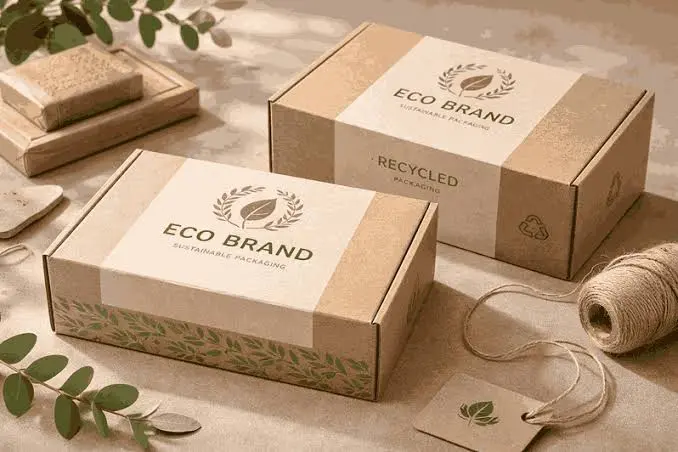
A box might seem like a simple thing. Its main job is to hold and protect a product. When thoughtfully designed, it can become much more than a container. The shape, printed artwork, material, colors, and finish all play a role in how customers see a brand and remember a product.
That is why box packaging design should not be ignored. Businesses of any size—whether they sell food, cosmetics, gifts, retail items, or goods online—can benefit from packaging. The right design can make a customer’s experience feel more polished starting the moment the package arrives.
Start With the Product, Not the Artwork
Good design starts with the product, not with graphic ideas. A beautiful design cannot fix packaging that does not work well for the product. Before picking colors or adding images, businesses must consider how the product will fit.
The dimensions need to provide space without leaving too much empty room. The structure should allow packing and convenient opening. This is especially important if the package includes parts. A custom box can be built around the contents rather than forcing everything into a standard size.
A practical approach begins with questions:
- What are the exact measurements of the product?
- Does the item need protection?
- How will the customer open the package?
- Does the box need to hold more than one item?
- Where do branding and product details need to go?
Answering these helps create a design that is both attractive and functional.
Visual Identity Should Be Easy to Recognize
Packaging is another way to show who a business is. Customers should connect the box directly with the brand through visual cues.
Colors are part of identity, but not the only one. Typography, logo placement, illustrations, photos, patterns, and blank space influence how the package looks.
A strong design doesn’t have to be complicated. Sometimes a clean layout with a well-placed logo and a few colors speaks louder than a crowded, busy design.
For brands with products, keeping a consistent style across all packaging makes the whole line look more professional and organized.
Choosing the Right Box Structure
Different products need different kinds of boxes. A small item might use a folding box. A larger product may need something else. Some packages are meant for store shelves, while others are only for shipping.
CEFBox offers a range of customizable box structures. This lets businesses choose a style that fits their product and then adjust it as needed. Instead of designing each box from scratch, brands can pick a layout and adapt it.
Custom sizing is also helpful when standard boxes don’t fit. A custom-sized box improves presentation and saves materials by avoiding wasted space.
Material Changes the Feel of the Package
Artwork gets attention. The material underneath matters too. It affects how the package feels in the hand and how it looks.
Packaging manufacturers like FusionPKG help brands turn custom boxes into part of the product experience.
Kraft paper gives an earthy look. That works well for goods, food products, or brands focused on sustainability. Recyclable paperboard provides a printing surface and is a good choice for companies that care about eco-friendly options.
The best material depends on things:
1. Product needs: The box must protect the item.
2. Brand image: The look and feel should match what the company wants to communicate.
3. Design plans: Some effects work better on surfaces.
4. Budget: Materials must fit production volume and overall cost.
There is no material that works for every product. The goal is to find the balance between function and appearance.
Finishing Can Highlight Details
Once the core design is ready, finishing touches can draw attention to key areas. These techniques help create a premium look without changing the box.
Common options include
- Spot UV – adds shine to areas like logos or patterns
- Foil stamping—creates highlights
- Embossing—gives some elements a raised texture
- Lamination – adds a layer
- Soft-touch finish – gives a high-end feel
The trick is using finishing with purpose. A logo highlighted with foil or Spot UV becomes a standout feature. Using many effects across the whole box can make it look cluttered.
Artwork Should Work From Every Angle
One mistake in packaging design is focusing only on the front. A box has sides, and each can shape the customer’s impression.
The front introduces the brand and product. The sides can carry supporting messages. The back often holds instructions, ingredients, contact info, or legal details.
Designers should think of the box as a single object, not a collection of separate panels.
Also, the artwork must remain legible at real-world size. Text that looks clear on a screen may become hard to read when printed on a box.
Online Tools Can Simplify Custom Packaging
Traditional packaging design involves steps: business, designer, supplier, and production team. Online platforms can simplify parts of this process.
CEFBox offers an online template editor where users can work with ready-to-use layouts. Over 300 customizable designs let businesses start with a structure that fits their product.
Users can change sizes, upload their artwork, and use a dieline generator to prepare structural files. This reduces hurdles and makes custom packaging easier to manage.
A Better Way to Review Your Design
Before finalizing a package, step back and examine both its look and its function.
A useful review includes:
1. Check whether the product fits inside.
2. Make sure the logo and product name stand out clearly.
3. Look over all text for spelling, size and readability.
4. Confirm that artwork lines up on all panels.
5. See if the finishing supports the design.
6. Review the look at actual size—not just on the screen.
This final check catches issues before they become big problems during production.
Packaging Matters After the Sale
For online sellers, packaging is often the first physical touchpoint after an order is placed. That means the delivery experience is part of the journey.
A well-designed box makes the purchase feel intentional and complete. This is especially helpful for businesses that rely on repeat customers or social media sharing.
Customers sometimes take photos of their purchases before opening them. When the box has an appealing design, the package itself becomes part of the content.
This does not mean every box must be fancy. A clean, thoughtful design can be just as effective as a fancy one.
Customization Gives Growing Brands Flexibility
As a business grows so do its packaging needs. New products, seasonal collections or premium versions of items all require changes.
Custom packaging enables these shifts while keeping the brand identity consistent. Different sizes, artwork styles, and finishing options can be used while maintaining the design elements.
This flexibility is great for brands that want their packaging to grow with their products.
Turning Design Ideas Into a Finished Package
Creating packaging is more than picking a pretty picture. The structure, measurements, material, artwork, printing, and finishing must all work together.
CEFBox helps bring these parts together. With box layouts, an online editor, custom sizing, artwork uploads, dieline tools, and instant quotes, businesses can explore different options before choosing a solution.
A thoughtful box design can make a regular product feel special without sacrificing functionality. When the box protects the item, it clearly shows the brand. Offers a nice unboxing experience; the packaging is more than just a wrapper. It becomes part of the product itself.
Also Read

Pingback: 5 Chapter 7 Bankruptcy Mistakes That Cost You More