


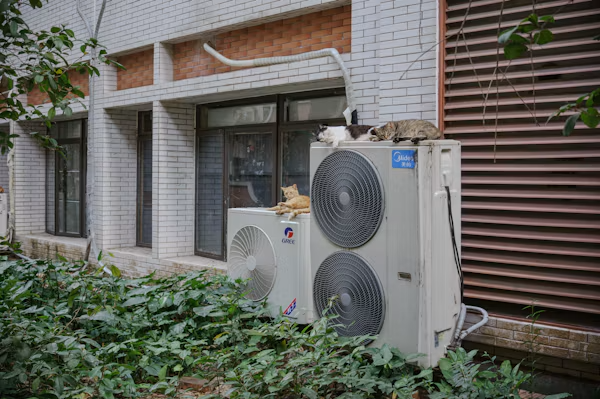
In hot, dry regions with mild winters, many homes rely on central air conditioning for long summers and a heat pump or furnace for shorter cool seasons. Balancing when and how each system runs is the quickest path to steadier comfort and lower wear on equipment. That balance is more than just a thermostat choice. It involves airflow, refrigerant charge, duct leakage, attic insulation, control settings, and how the outdoor unit handles seasonal conditions. The details below outline how AC and heat pumps share the workload across the year, why small setup choices ripple through comfort, and where common missteps (like overdoing filtration or shutting vents) can quietly undermine performance.
- Match Equipment Operation to Seasonal Loads
Summer loads in hot,t dry climates are mostly sensible heat rather than humidity, which shapes how your AC should operate. A common target is about 350 to 450 cubic feet per minute of airflow per ton of cooling; on the drier end of that range, higher airflow helps remove more sensible heat without chasing moisture that is not there. In Elk Grove, CA, for example, raising blower speed on a variable speed ECM motor during peak heat can ease supply air temperatures only slightly while improving mixing between rooms, reducing hot spots near sunny exposures.
In winter, a heat pump’s efficiency varies with outdoor temperature. Above the system’s balance point, it provides heat efficiently. As temperatures dip, auxiliary heat (electric strips or a second stage) may kick on. Two strategies help: limit large schedule setbacks that trigger aux heat, and use a modest deadband (the temperature window where the equipment stays off) so the unit cycles less. If you have a dual fuel setup, your controls may switch to the furnace below a set temperature, which can protect comfort and limit expensive electric strip heat, though the ideal switchover point depends on your actual energy rates and home envelope.
- Prevent AC Short Cycling with Correct Airflow and Charge
Short cycling is hard on compressors and comfort. It often traces to either oversized equipment, low indoor airflow, or an incorrect refrigerant charge. A clogged filter, a matted evaporator coil, closed supply registers, or a crushed return duct raises static pressure and starves the coil of airflow. That can push the evaporator temperature below freezing, causing ice and further choking airflow. The fix is not to crank down the thermostat. Restore proper airflow: use a correctly sized MERV 8 to 11 filter rather than a high MERV product that your blower cannot handle, keep registers open, and have a technician measure total external static pressure to verify the duct system supports your blower’s target CFM.
Refrigerant charge also matters. An overcharged system elevates head pressure at the condenser, increasing compressor energy use and reducing capacity on the hottest afternoons. An undercharged system may run longer yet cool poorly and risk evaporator freeze. A technician can check superheat and subcooling, confirm the thermal expansion valve (TXV) is regulating properly, and clean a condenser coil coated with debris that otherwise forces the compressor to work against excessive pressure. One common summer scenario: yard clippings lodged in the condenser fins after weekend landscaping cause high head pressure and nuisance shutdowns until the fins are rinsed clear.
- Heat Pump Nuances: Defrost, Auxiliary Heat, and Thermostat Settings
On cold, damp mornings, a heat pump’s outdoor coil collects frost. The unit periodically reverses into cooling mode to warm that coil and shed ice. Indoors, you might hear the fan pause or see vapor drift from the outdoor unit during defrost. That is normal. If auxiliary heat strips back up the defrost cycle, supply air temperature will remain comfortable. Problems arise when the thermostat forces frequent defrost or calls for supplemental heat unnecessarily, which can happen with aggressive setbacks or poorly placed outdoor sensors.
Thermostat strategy affects energy use as much as equipment efficiency ratings like HSPF2. A deep evening setback followed by a morning jump of 5 to 7 degrees often triggers auxiliary heat, especially in homes with limited duct capacity or smaller return paths. Try tighter setbacks and enable “adaptive recovery” so the system ramps up earlier at low power. If your heat pump has a crankcase heater, consider enabling a smart thermostat’s compressor lockout on very cold nights to protect the compressor from liquid refrigerant migration. For dual fuel systems, confirm the bivalent switchover temperature suits your home’s insulation level and local rates, rather than using a single factory default for every system.
- Ducts and Attics: The Hidden Levers in Hot Roof Homes
In many homes, the biggest performance levers sit above the ceiling. Leaky ducts in a vented attic waste cooled and heated air into the hottest and coldest part of the house. Sealing seams with mastic (not cloth “duct tape”) and adding insulation around the supply plenum can drop runtime and stabilize room temperatures. Undersized or scarce return paths also starve airflow. If bedroom doors are often closed, transfer grilles or jump ducts help reduce pressure imbalances that otherwise push air out through envelope leaks.
Attic insulation and air sealing reduce both AC and heat pump runtime. An older tract home with R19 insulation and many can light penetrations often behaves like a sieve. Sealing air leaks in the attic floor and bringing insulation up to around R38 or more cuts peak attic-driven loads. A radiant barrier does not replace insulation, but in a hot, dry climate it can lower roof deck heat gain to the ducts. Paired with clear soffit vents and an unobstructed ridge or gable vent, the attic will purge heat faster at dusk, so your AC stops fighting a 140-degree plenum long after sunset.
Smart Controls, Maintenance, and When to Consider an Upgrade
Smart thermostats are most useful when matched to the equipment’s capabilities. If your AC or heat pump supports staging or inverter modulation, enable those features and set modest compressor minimum speeds so the system can run longer at low power rather than slam on and off. In dry summers, you may not need a feature for additional dehumidification, but in shoulder seasons the ability to lower blower speed briefly can smooth supply air temperatures. For filtration, match MERV goal to blower and duct capacity; moving from MERV 8 to 13 without increasing filter face area can push static pressure too high and undo comfort gains.
Seasonal maintenance prevents avoidable failures. Clean the outdoor condenser coil before the first heat wave. Flush the condensate drain and trap so an algae plug does not overflow onto drywall when the evaporator is busiest. Inspect the evaporator coil for dust that bypassed a filter poorly seated in the return plenum. Check electrical components like contactors and capacitors for wear, and verify defrost operation before the first cold snap. If the outdoor unit’s insulation or line set UV cover has deteriorated, replace it to reduce refrigerant temperature swings that force longer recovery times.
At some point, controls and maintenance run up against equipment limits. If your AC short cycles despite correct airflow and charge, the compressor may be oversized for the envelope. A variable speed inverter replacement paired with a properly sealed duct system can correct both cycling and temperature swings between rooms. In regions with mild winters, modern cold climate heat pumps can carry most or all of the heating load without auxiliary heat for much of the season; however, they rely on tight ducts and good attic insulation to realize their HSPF2 advantages. Before replacing, ask for a load calculation for each room, static pressure measurement, and a duct leakage test so upgrades target the real bottlenecks rather than just the outdoor box.
Balancing AC and heat pump use is less about clever thermostat tricks and more about matching equipment, ducts, and attic conditions to the actual seasonal loads. Focus on airflow, refrigerant health, sealed ducts, and a well-insulated attic, then use moderate control settings to let the system run steadily. Those steps improve comfort on the hottest afternoons and the coldest mornings alike, while trimming the cycles that wear out components early. If you need help interpreting static pressure readings or deciding between filter grades and blower settings, a qualified local HVAC professional can measure, explain, and fine-tune so your home stays even and quiet throughout the year.
Read more: https://rizways.com/welcome-2027-with-new-year-deals-on-bulk-kratom-online-at-buy-kratom-bulk-usa/
https://rizways.com/oasis-kratoms-black-friday-deals-discover-savings-on-kratom-powder/
https://rizways.com/organic-kratom-usas-new-year-deals-a-guide-to-yellow-kratom-offers/

Pingback: How to Handle a Dental Emergency Days Before Your Ceremony