


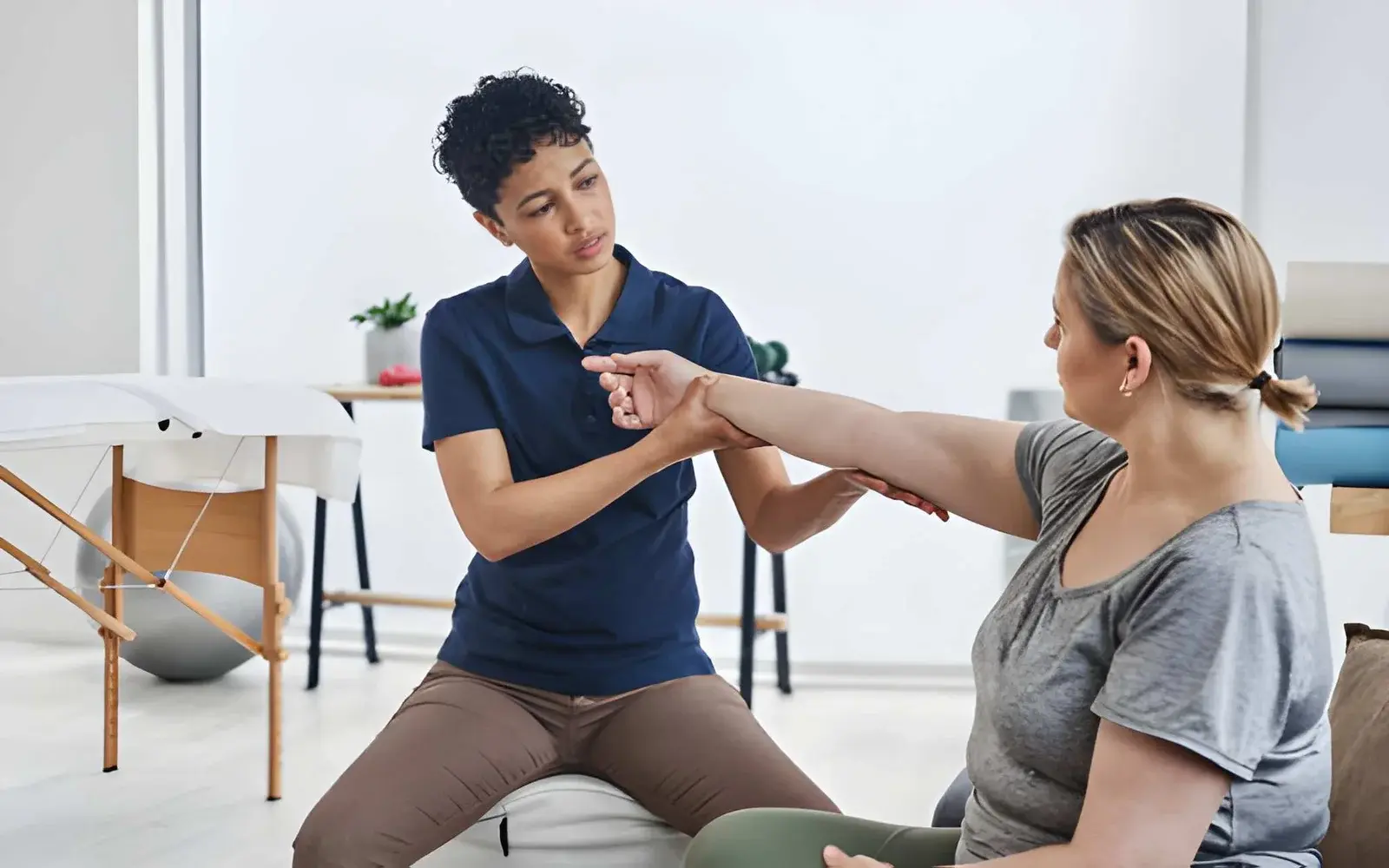
Pain often brings people to physical therapy, but pain alone is a poor compass for progress. Symptoms rise and fall with sleep, stress, and activity. What moves you forward is capacity: how much load your knee tolerates on stairs, how far your shoulder reaches overhead with a load, or how long you can stand without back ache. By replacing vague goals with measurable, activity based targets, you can see improvements even on days when your pain score barely changes. This article outlines concrete ways to set targets, track them at home or in the clinic, and adjust your plan when the numbers tell you your body is ready for more.
Replace Vague Goals With Measurable, Activity Based Targets
Instead of “feel better,” define outcomes you can test. Examples include walking 20 minutes on a neighborhood route without limping, completing 12 stairs without using the handrail, or lifting a 10 pound box to the top shelf with full shoulder elevation. For lower body goals, note distance, time, surface, and whether you use an assistive device. For upper body goals, note load, reach height, and side to side differences. Clinics such as Physio Fit often translate these targets into session plans, then retest every few weeks to confirm your capacity is climbing, even if your 0 to 10 pain score still fluctuates.
Choose a Small Set of Trackable Measures
Aim for three to five simple metrics you can repeat under similar conditions. Useful choices include the 30 second sit to stand count from a standard chair, single leg balance time with eyes open, straight knee and bent knee calf raises to comfortable fatigue, a plank hold up to a safe limit, and a comfortable walking distance at a steady pace. For the shoulder, you might track overhead reach with a light dumbbell, or a behind the back reach to a landmark like the middle of the spine. Grip strength is helpful if available with a dynamometer, but a practical substitute is how easily you can open a new jar lid without pain.
Keep your testing consistent. Try to measure at the same time of day, in the same shoes, on the same surface, and before any hard workout. Record context such as prior day’s step count, sleep quality, and whether you took pain medication. Consistency improves reliability, which helps you notice real changes rather than noise. There is a tradeoff here: more data can feel thorough, but too many metrics reduce follow through. Keep the list short enough that you can stick with it weekly.
Use Load and Symptom Rules to Adjust Week by Week
Your body adapts to load. When load outpaces recovery, irritability rises and symptoms linger. Use two simple guides: effort and the 24 hour response. During an exercise or activity, keep effort at a moderate level using a rating of perceived exertion, such as 5 to 7 out of 10 on a hard but manageable scale. Afterward, track whether symptoms return to baseline within about a day. If they do, your volume is probably tolerable. If stiffness or pain spikes and does not settle by the next day, trim a variable: fewer sets, less weight, slower tempo, or a shorter walk.
Consider two real scenarios. A runner rebuilding after Achilles irritation advances from bodyweight calf raises on the floor to slow reps on a step, then eventually to loaded raises holding a kettlebell. Progress shows up as more repetitions with good form, less morning stiffness, and the ability to hop in place comfortably before returning to short run walk intervals. A desk worker with neck pain might pair deep neck flexor endurance work with micro breaks every 30 to 45 minutes and test single arm shoulder presses weekly. If pressing weight and sit to stand counts rise while end of day soreness fades quicker, capacity is improving.
Don’t Ignore Recovery Variables That Skew the Data
Sleep, stress, and schedule shifts can distort your numbers. A poor night of sleep often raises pain sensitivity and drops endurance, while high stress can tighten breathing and alter posture, making shoulder and neck tests feel worse. For walking tests, a new route, uneven path, or different footwear can reduce comparability. Avoid testing immediately after a hard workout, long car ride, or heavy yardwork. When possible, log sleep hours, general stress, and any unusual activity the day before. If a test day looks out of character, do not overreact. Look for trends across two to three weeks rather than a single data point.
What to Bring and Discuss at Your Evaluation
Arrive with a clear list of activities you want to return to, what aggravates your symptoms, what eases them, and how your pain behaves over 24 hours. Bring medication and supplement lists, relevant imaging reports, and photos of your workstation if posture or setup seems related. If foot or ankle issues are involved, bring the shoes you use most. Training logs, smartphone step counts, and even a few short videos of your problem movement, like squatting or reaching, help a therapist select tests such as sit to stand, single leg balance, or shoulder endurance holds, then set realistic progressions anchored to your daily life.
Numbers do not replace how you feel, but they help you make better decisions. Pain may ebb and flow, yet objective capacity usually improves in small steps you can measure: two more quality calf raises, an extra minute of steady walking, a shoulder press with smooth form. Choose a handful of tests, repeat them under similar conditions, and adjust load using effort and next day response. When in doubt, scale back a little, let symptoms settle, and resume with one variable changed. Measurable milestones turn physical therapy from guesswork into an understandable path back to the activities that matter to you.
Also Read
