


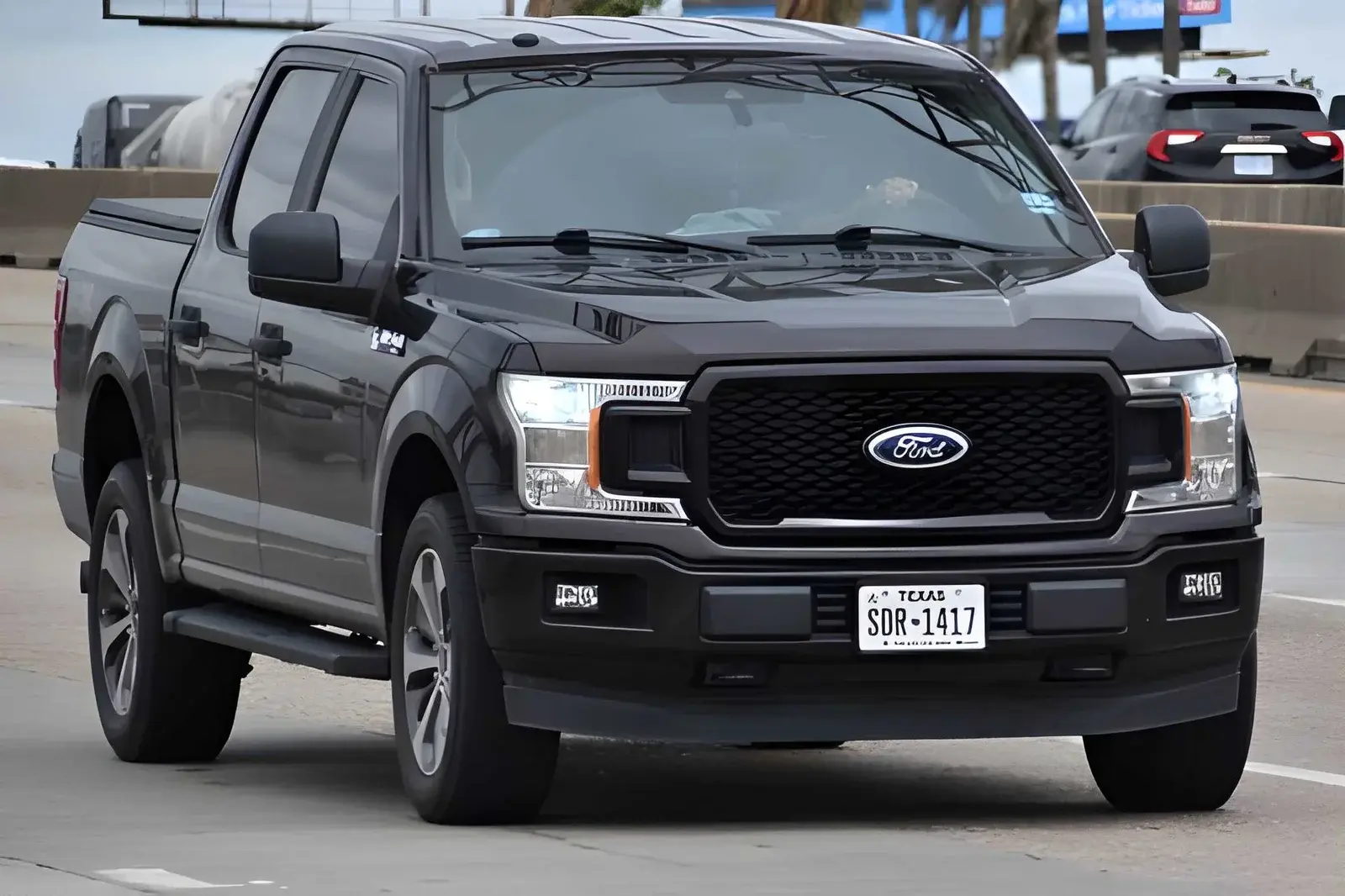
A test drive should do more than prove the engine starts. If you are shopping for a Ford truck, the drive is your chance to confirm that towing capacity, cab space, ride quality, and driver-assist tech match the way you actually work and travel. A few planned checks will reveal far more than a quick spin around the block. The following framework turns your drive into a meaningful evaluation, covering specs like payload and axle ratio, road behavior of a 10-speed automatic, and the real-world usefulness of tools such as a trailer brake controller or Pro Trailer Backup Assist.
Translate Your Towing and Hauling Needs Into Specs
Start by mapping your tasks to the truck’s numbers. If you pull a bass boat on weekends, look at trailer weight, tongue weight, and whether the truck has an integrated trailer brake controller and trailer sway control. For jobsite use, note payload on the door jamb sticker and compare bed lengths, tie-downs, and lighting. Engine choice and axle ratio work together: a turbocharged EcoBoost V6 with a shorter axle ratio can tow confidently, but it may rev higher at highway speeds. Before you even schedule time behind the wheel, compare configurations at a trusted Ford dealership to narrow your short list.
On the drive, verify that the 10-speed automatic shifts cleanly while merging and while holding speed on a grade. If the truck has a tow/haul mode, toggle it and feel how downshifts add engine braking. A heavier-duty rear axle and all-terrain tires can add capability but may increase noise and reduce fuel economy, which you will notice at 65 mph. That trade-off is worth it for frequent off-pavement use, but less so for a long highway commute.
Cab, Bed, and Drivetrain Choices Affect Daily Use
Cab and bed combinations change wheelbase, turning radius, and parking options. A SuperCrew with a 5.5-foot bed is easy to live with in tight garages, while a long-bed SuperCab helps when hauling lumber but needs more space to maneuver. Try a tight U-turn and back into a standard parking space to see how the camera system and sensors help or hinder you. If you plan to carry a rear-facing car seat or full-size toolboxes, bring them to verify fit and anchor point access.
Drivetrain settings also have real consequences. Engage 4×4 high on loose gravel to confirm smooth operation, then return to 2×4 for pavement. A locking rear differential or an FX4 Off-Road package can add traction and underbody protection, but you may feel a firmer ride on patched asphalt. If winter driving or muddy job sites are rare, a 4×2 with a limited-slip differential might be the simpler, lighter option.
On-Road Evaluation: A Route That Reveals Strengths and Weaknesses
Plan a route with specific tasks. From a stop, accelerate briskly to freeway speeds to check low-end torque and how quickly the transmission finds the right gear. At 60 to 70 mph, set cruise control, listen for wind noise around the mirrors, and feel for any vibration that could indicate tire balance issues. On a rough side street, notice how the suspension handles sharp bumps and whether the bed hops when unladen, which is common with light rear loads.
Use a safe, empty lot for a few controlled moves. A moderate brake test from neighborhood speed should be straight and predictable without pulsing through the pedal. Practice a quick lane change to gauge steering response. If the truck is equipped with Pro Trailer Backup Assist, simulate a trailer scenario by reviewing how the system initializes and how the steering knob would be used. Even without a trailer, this shows whether the cameras, guidelines, and parking sensors provide clear visibility.
Check Tech and Safety Systems, Not Just Screens
Turn on SYNC 4 and pair your phone to check Bluetooth clarity, response time, and whether wireless Apple CarPlay or Android Auto connects reliably. Try a voice command for navigation. Explore the 360-degree camera, zoom views for the hitch, and bed cameras if equipped. If the truck includes bed lighting, a power tailgate, or a tailgate step, operate each feature. If there is Pro Power Onboard, confirm available outlets and understand the operating guidelines before assuming it will run your worksite tools.
Driver-assist features need real validation. Set adaptive cruise to confirm smooth following distance changes. On a lightly marked road, observe how lane-keeping alerts behave and whether centering assistance feels natural. Check blind-spot monitoring and, if present, trailer-coverage settings. Some newer Ford models offer limited hands-free capability on certain mapped highways; verify what the specific truck supports and how it signals driver attention. Remember that these systems assist a focused driver and are not substitutes for safe driving habits.
Used-Truck Specific Checks Before You Fall in Love
Cold-start the engine and listen for ticking, belt squeal, or unusual turbo whine. With the hood up, look for coolant residue near hose connections and inspect the serpentine belt for cracking. Underneath, check frame rails, bed crossmembers, and cab mounts for rust. Cycle 4×4 high and low to ensure smooth engagement. In a quiet area, drive at 40 mph and lightly apply the brakes, feeling for steering wheel shake that may indicate warped rotors. Inside, scan for water staining near the rear window and third brake light, a known leak point on some trucks if seals age.
Evidence of heavy towing can show up as a worn hitch receiver, an aftermarket trailer brake controller, or heat discoloration near the exhaust. None of these are deal breakers by themselves, but they warrant a closer look at transmission behavior on a hill and the condition of differential fluid. Check tire date codes and look for mismatched brands, which can hint at uneven wear patterns. After purchase, plan follow-up maintenance that matches your use, including more frequent fluid inspections if you tow often, regular tire rotations for even wear, and keeping software updated so SYNC features and driver-assist systems perform as designed.
A smart test drive is built around your actual tasks. Pull the specs that matter, choose a route that exposes strengths and weaknesses, and try the tools you will use most, from bed lighting to trailer technology. Expect trade-offs. Long beds are easier for lumber and harder to park. All-terrain tires grip on dirt and hum on the freeway. Make your decision based on what you do every week, not just the one weekend a year you tow. With a plan and a notepad, your test drive becomes a clear-eyed evaluation rather than a quick lap filled with guesswork.
Also Read
