


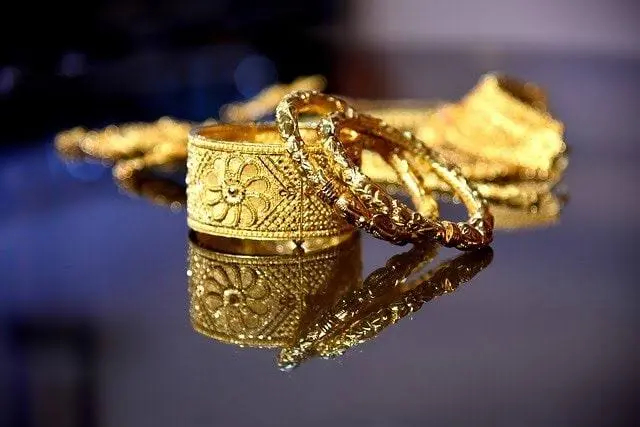
Gold prices make headlines, but they tell only part of the story when it comes to what a piece of jewelry is actually worth. A ring with a modest gold weight can fetch far more than its melt value if it carries the right hallmarks, stones, or provenance. Understanding this distinction matters whether you are selling a family heirloom, buying an estate piece, or trying to make sense of an appraisal.
The Gap Between Spot Price and Real Value
Spot price is the market rate for raw gold at a given moment. It is a useful baseline, but treating it as the final word on a piece’s worth is a mistake that costs sellers money every day.
Some jewelry is valuable primarily because of the precious metal it contains, while other pieces may be worth more intact because of their diamonds, gemstones, designer name, craftsmanship, condition, age, collectability, or resale demand. A buyer who evaluates only the gold weight of a signed Art Deco bracelet, for example, is ignoring most of what makes that piece worth owning.
In a BCG survey of 12,000 luxury consumers from 10 countries, 62% said they would consider buying a secondhand luxury item, and 25% had already made a purchase in the past year, with 18% of those purchases being watches and jewelry. That level of consumer appetite means the secondary market for fine jewelry has real depth. Pieces with genuine appeal trade well above their raw material content.
What Appraisals Actually Measure
One of the most common sources of confusion is the difference between an insurance appraisal and a realistic selling price. These two numbers are not the same, and they are not meant to be.
An insurance appraisal is typically inflated to reflect the cost of replacing a diamond with a similar item from a retail jeweler, which is often higher than the resale value. In practical terms, a piece appraised at $10,000 for insurance purposes might realistically sell for a fraction of that in the secondary market, depending on current demand, the buyer, and the piece itself.
Appraisal figures tend to reflect retail prices at high-end jewelry stores, which include markups for brand, design, marketing, and overhead. Resale value, by contrast, is shaped by what secondhand dealers, private buyers, or pawn shops are willing to pay, usually a percentage of the retail price, often 30% to 50% or even less depending on demand.
Knowing this going in sets realistic expectations. It prevents the frustration of walking away from a fair offer because it didn’t match an insurance document.
The Factors That Move the Needle
Several variables push a piece’s worth above its metal content. A knowledgeable buyer or appraiser weighs all of them together.
Gemstone Quality
The contribution gemstones make to resale value depends on factors including individual stone size, cut, color, clarity, consistency, setting style, labor required to remove or reuse them, the overall design of the jewelry, and demand for the finished piece. A single two-carat diamond in a clean solitaire setting is a different asset entirely from two carats spread across a cluster of small stones that are difficult to extract and sell individually.
Designer Provenance and Maker’s Marks
Signed designer jewelry, rare gemstones, important diamonds, collectible watches, desirable antique pieces, and distinctive items can carry significant worth beyond their precious-metal content. A Cartier or Tiffany hallmark on something that might otherwise be assessed at scrap can change the offer substantially, provided the piece is authenticated and in good condition. That one stamp matters.
Condition and Completeness
The condition of your jewelry plays a major role in determining its worth. Pieces that are damaged, heavily worn, or outdated in style often sell for only their gold weight or scrap value, much lower than the original purchase price. Original boxes, certificates, and receipts factor into what a serious buyer will pay, too. These materials cut down on uncertainty and allow the buyer to verify what they are getting.
Current Market Demand
Style cycles affect resale prices more than most people expect. A piece that was fashionable a decade ago may sit on the secondary market for months, while a style that has come back around can command a premium. Demand for gold jewelry shifts based on fashion trends, collector interest, and broader market conditions, and if a particular style is highly sought after, it may sell for well above its raw gold content.
How to Approach Selling Your Jewelry
Sellers who walk in with a clear understanding of their piece tend to get better outcomes. A few practical steps make a real difference.
- Gather any documentation you have: original receipts, GIA or AGS certificates, prior appraisals, and photographs.
- Research comparable pieces sold recently through auction houses or reputable estate dealers to get a sense of current market demand.
- Separate the insurance appraisal figure from your price expectations. Use it as context, not as a floor.
- Get more than one opinion, especially for pieces with significant stones or maker’s marks.
Working with a buyer who evaluates the whole piece rather than defaulting to melt value is essential. For sellers in the Southwest, professional jewelry valuation that accounts for gemstones, maker’s marks, and current market conditions produces a more accurate offer than any spot-price calculation alone.
The Growing Market for Pre-Owned Fine Jewelry
The secondary jewelry market is no longer a niche corner of the industry. The global used jewelry resale service market is valued at USD 2.7 billion in 2026 and is projected to reach USD 6.76 billion by 2035, growing at a CAGR of 10.5%. That trajectory reflects a genuine shift in how buyers and sellers think about pre-owned pieces, driven by sustainability concerns, rising new jewelry prices, and growing confidence in authentication services.
For sellers, this expanding market is good news. More buyers competing for quality estate and pre-owned pieces means stronger demand and, in many cases, better prices for well-maintained jewelry with clear provenance.
Where to Start
Valuation is not a single number. It is a conversation between what a piece is made of, who made it, what condition it is in, and what the market wants right now. Starting with a buyer or appraiser who understands all four of those dimensions puts you in a much stronger position than relying on the gold spot price alone.
Sources used
Every statistic in the article links to its source inline. This list repeats those sources so a link builder can place them by hand if a host strips inline links.
Also Read
