


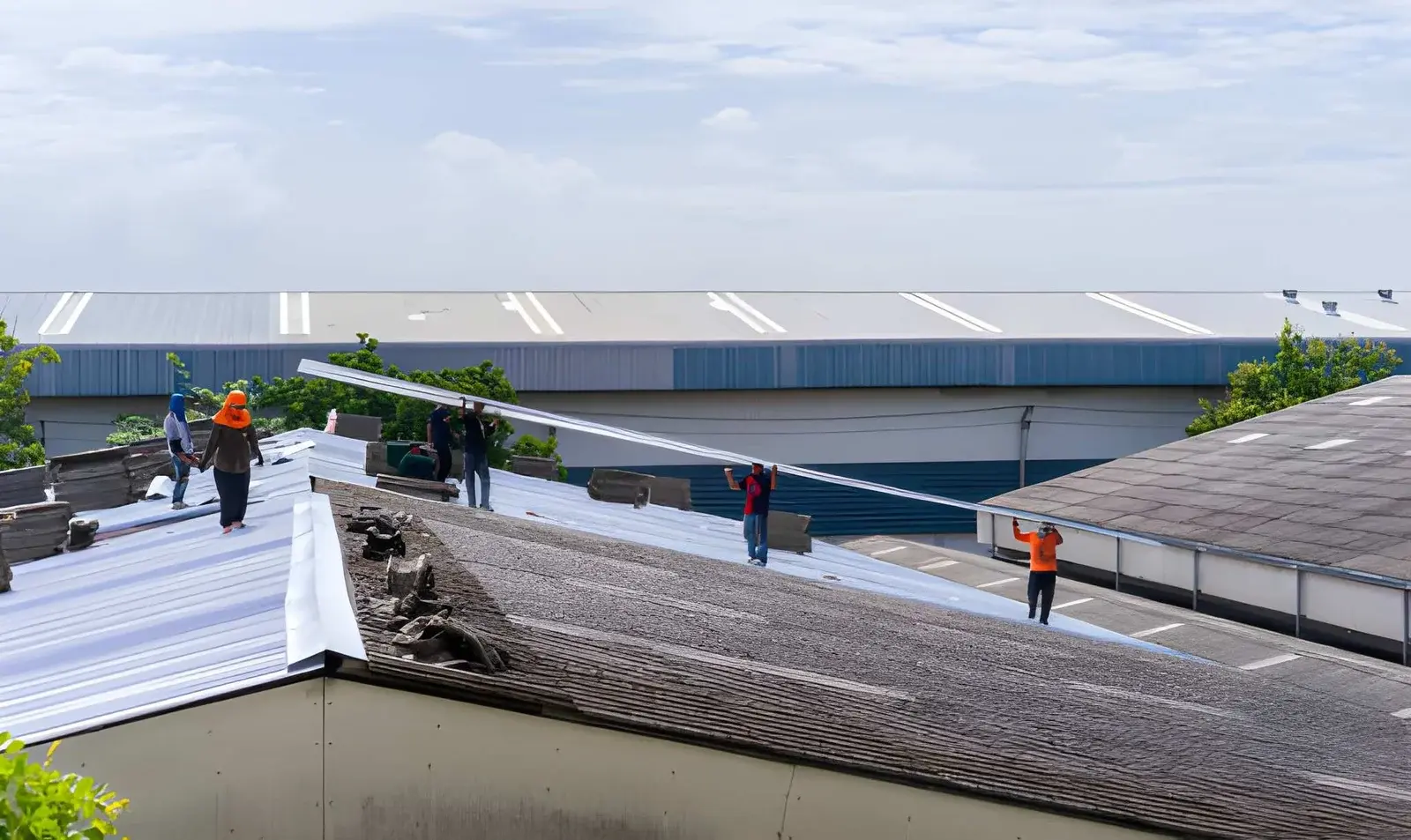
A commercial roof protects far more than the top of a building. It shields equipment, inventory, employees, tenants, customers, and structural components from rain, wind, heat, and other environmental conditions. Because of this, roof performance directly affects operating costs, property value, and business continuity.
However, many property owners wait until leaks or visible damage appear before calling a roofing professional. This reactive approach can create larger repair bills and increase the risk of interior damage.
Proactive commercial roof maintenance takes a different approach. Instead of waiting for failure, property owners inspect, clean, repair, and monitor the roofing system throughout its service life. As a result, they can identify small problems earlier, reduce unexpected expenses, and help the roof perform reliably for longer.
Why Proactive Commercial Roof Maintenance Matters
Commercial roofing systems constantly face environmental stress.
Sunlight heats roofing materials during the day, while cooler nighttime temperatures cause them to contract. Rain, wind, debris, snow, and standing water can create additional pressure on membranes, flashing, seams, and drainage systems.
Over time, these conditions naturally wear down roofing materials.
Regular maintenance helps property owners detect that deterioration before it turns into a serious problem.
For example, a small opening around flashing may initially allow only a small amount of moisture inside. If nobody notices it, water can gradually reach insulation, decking, ceiling materials, or electrical systems.
A scheduled inspection can identify the opening early and allow a contractor to make a targeted repair.
Therefore, preventive maintenance protects both the roofing system and the rest of the building.
Routine Maintenance Helps Control Repair Costs
Unexpected roof repairs can create significant financial pressure for commercial property owners.
Emergency service often comes with additional labor, equipment, and operational expenses. Furthermore, severe leaks can damage materials inside the building, which increases the overall repair cost.
Proactive maintenance allows building owners to spread roofing expenses more predictably across the year.
Instead of suddenly paying for a major repair, they can address smaller defects during scheduled maintenance visits.
For instance, contractors may repair loose flashing, seal minor membrane damage, clear roof drains, or replace deteriorated sealant before those issues create widespread problems.
Although maintenance still requires investment, it usually gives property owners more control over when and how they spend money.
As a result, budgeting becomes easier and emergency expenses become less frequent.
Regular Inspections Identify Small Problems Early
Commercial roofs contain many components that can develop problems over time.
Professional roof inspections may examine areas such as:
- Membranes
- Flashing
- Roof seams
- Drainage systems
- Gutters
- Roof penetrations
- HVAC curbs
- Skylights
- Parapet walls
- Sealants
- Fasteners
Inspectors also look for water pooling, punctures, loose materials, cracks, surface deterioration, and signs of previous repairs.
Early detection matters because roofing problems rarely remain the same size.
A small puncture can grow.
A loose flashing section can allow more water inside.
A partially blocked drain can eventually cause standing water.
Therefore, regular inspections give property owners an opportunity to address problems before weather or normal building movement makes them worse.
Proactive Maintenance Can Extend Roof Service Life
Commercial roofing systems represent a major property investment.
Naturally, owners want to gain as much useful service from that investment as possible.
A neglected roof often deteriorates faster because minor defects remain exposed to rain, heat, UV radiation, wind, and debris.
By contrast, regular maintenance removes many conditions that accelerate wear.
For example, keeping drainage systems clear reduces standing water. Repairing damaged seams limits moisture intrusion. Replacing worn sealant protects vulnerable joints.
These small actions help the roofing system continue performing as designed.
Consequently, property owners may delay the need for a complete roof replacement and gain additional years of useful service.
That extended lifespan can provide substantial long-term financial value.
Good Drainage Protects Roofing Materials
Water management plays an important role in commercial roof performance.
Many commercial buildings use flat or low-slope roofing systems. Although these roofs include drainage features, leaves, dirt, branches, and other debris can block drains or gutters.
When water cannot leave the roof efficiently, it may collect in low areas.
Standing water increases stress on the roofing system and may eventually find its way through vulnerable seams, cracks, or penetrations.
Routine maintenance helps prevent this problem.
Roofing professionals can clear drains, inspect gutters, remove debris, and identify areas where water consistently collects.
By keeping drainage systems functional, property owners reduce unnecessary moisture exposure and protect underlying roofing materials.
Preventive Care Can Reduce Interior Damage
A roof leak rarely affects only the roof.
Once water enters the building, it can travel through insulation, walls, ceilings, and structural components.
Businesses may then face damage to:
- Ceiling tiles
- Drywall
- Flooring
- Furniture
- Inventory
- Electronics
- Insulation
- Electrical systems
Water intrusion can also interrupt normal business activities.
For example, a retail store may need to close part of its sales floor. An office might have to relocate employees. A warehouse could need to move inventory away from a leaking area.
Therefore, stopping leaks before they develop protects more than roofing materials.
It helps businesses avoid disruption and limits secondary damage throughout the building.
Maintenance Supports Structural Protection
Long-term water intrusion can eventually affect structural materials.
Roof decks, framing components, and insulation should remain dry. When moisture repeatedly reaches these areas, deterioration may occur.
Wet insulation can also lose some of its effectiveness, while damaged decking may eventually require more extensive repairs.
Proactive roof maintenance reduces this risk by identifying moisture entry points early.
Contractors can repair vulnerable sections before water repeatedly reaches deeper layers of the roofing assembly.
This approach protects the structural integrity of the building and helps property owners avoid expensive restoration work.
Regular Roof Care Improves Budget Planning
Commercial property management requires careful financial planning.
Unexpected roofing emergencies can disrupt annual maintenance budgets because they often require immediate attention.
A structured roof maintenance plan provides greater predictability.
Building owners can schedule inspections at regular intervals and plan for known repairs.
In addition, inspection reports help identify areas that may require attention in the future.
For example, a contractor may note that a particular section remains functional but shows advanced wear.
Property managers can then prepare financially instead of waiting for sudden failure.
This forward-looking approach turns roofing from an unpredictable expense into a more manageable part of building maintenance.
Roof Maintenance Can Help Protect Building Operations
Roof problems can interfere with daily business activity.
Water may drip into offices, retail areas, manufacturing spaces, storage facilities, or tenant units.
Even a relatively small leak can create safety concerns and force employees to move equipment or block off parts of the building.
In severe cases, businesses may temporarily close affected areas.
Proactive maintenance reduces the chance of these disruptions.
By addressing vulnerable areas before they fail, property owners support more reliable building operations.
This becomes especially important for facilities that depend on continuous operations, such as warehouses, healthcare buildings, data centers, manufacturing facilities, and retail properties.
Scheduled Maintenance Creates Useful Roof Records
Documentation plays an important role in commercial roof management.
Property owners should keep records of inspections, maintenance visits, repairs, photographs, contractor recommendations, and roof-related expenses.
These records create a useful history of the roofing system.
Over time, property managers can identify recurring issues and track how different roof sections perform.
For example, if one drainage area repeatedly develops standing water, maintenance records can help confirm the pattern.
Likewise, documentation can show whether previous repairs successfully solved a problem.
Accurate records also make it easier for new facility managers or contractors to understand the roof’s history.
A Structured Maintenance Plan Works Best
Effective commercial roof maintenance requires consistency.
Property owners should create a clear plan instead of arranging inspections only when problems appear.
A basic maintenance program may include:
- Scheduling professional inspections at regular intervals.
- Inspecting the roof after major storms or severe weather.
- Keeping gutters, drains, and roof surfaces clear of debris.
- Repairing small defects promptly.
- Monitoring flashing, seams, penetrations, and sealants.
- Documenting all findings and completed repairs.
- Reviewing older roof sections for signs of accelerated wear.
The exact schedule depends on the roofing material, building design, climate, roof age, and manufacturer recommendations.
However, consistency remains the most important part.
Preventive Maintenance Supports Property Value
A commercial property with a well-maintained roofing system can be more attractive to buyers, tenants, lenders, and investors.
Roof condition often influences how people evaluate the overall condition of a building.
A neglected roof may raise concerns about future repair expenses or hidden water damage.
In contrast, documented maintenance provides evidence that property owners have cared for the building.
Although roof maintenance alone does not determine property value, it supports the overall condition and reliability of the asset.
Additionally, avoiding premature roof failure helps owners preserve capital for other improvements.
Proactive Maintenance Provides Long-Term Financial Benefits
The financial advantages of preventive maintenance extend beyond individual repair costs.
Regular care can help property owners:
- Reduce emergency repair expenses
- Limit interior water damage
- Delay major replacement projects
- Improve maintenance budgeting
- Protect equipment and inventory
- Reduce business interruptions
- Preserve building materials
- Maintain property condition
These benefits accumulate over time.
A small maintenance expense today may prevent a much larger roofing or interior repair later.
Therefore, proactive maintenance should not be viewed simply as another operating cost. It functions as a strategy for protecting a major building asset.
Protect Commercial Roofs Before Problems Grow
Commercial roofing systems face constant exposure to weather, moisture, debris, and temperature changes.
Without regular attention, small defects can develop into leaks, structural damage, and costly business disruptions.
Proactive roof maintenance helps property owners stay ahead of these problems.
Routine inspections, prompt repairs, drainage maintenance, and detailed documentation can protect roofing materials and extend their useful performance.
At the same time, preventive care gives property managers greater control over maintenance budgets and reduces the risk of unexpected emergency costs.
Ultimately, the best time to address a roofing problem is before water enters the building.
By maintaining the roof consistently rather than waiting for visible failure, commercial property owners can protect their investment, support reliable operations, and preserve the structural condition of the building for years to come.
Also Read
